PPE managers sit at a difficult intersection of security, price control, and ecological obligation. Handwear covers and other protective equipment are mission important, however they likewise produce a steady stream of waste, cost, and take the chance of if handled improperly. A round economy version reframes that cycle. As opposed to buying, making use of, and landfilling, you design a loophole that recuperates worth with glove cleansing, liable remanufacturing, and materials reusing, while policing cross-contamination and keeping regulative conformity. The reward shows up on both the annual report and your sustainability dashboard.
I have invested enough time on plant floorings and in laboratory annexes to understand what thwarts a well‑meaning program. Bins obtain misused, purchase is neglected, security fears overtake ecological success, and vendors overpromise. This playbook intends to aid you make a round program you can safeguard to safety and security, finance, and procedures alike. It obtains specific about PPE gloves because that is where most of the quantity sits, yet the methods put on various other classifications too.
What a circular economic climate resembles in PPE
A round economy model for PPE maintains products and value in use for as long as feasible. For gloves, that means the right product mix, fit-for-purpose handwear cover cleaning workflows, and healing pathways after end‑of‑life. Some nitrile and textile handwear covers can be washed and returned to solution for several cycles before efficiency degrades. Non reusable nitrile that can not be reused can still be set apart and converted into polymer feedstock. The core concept is straightforward: match the glove to the task and develop repeatable procedures for return, renewal, and recycling.
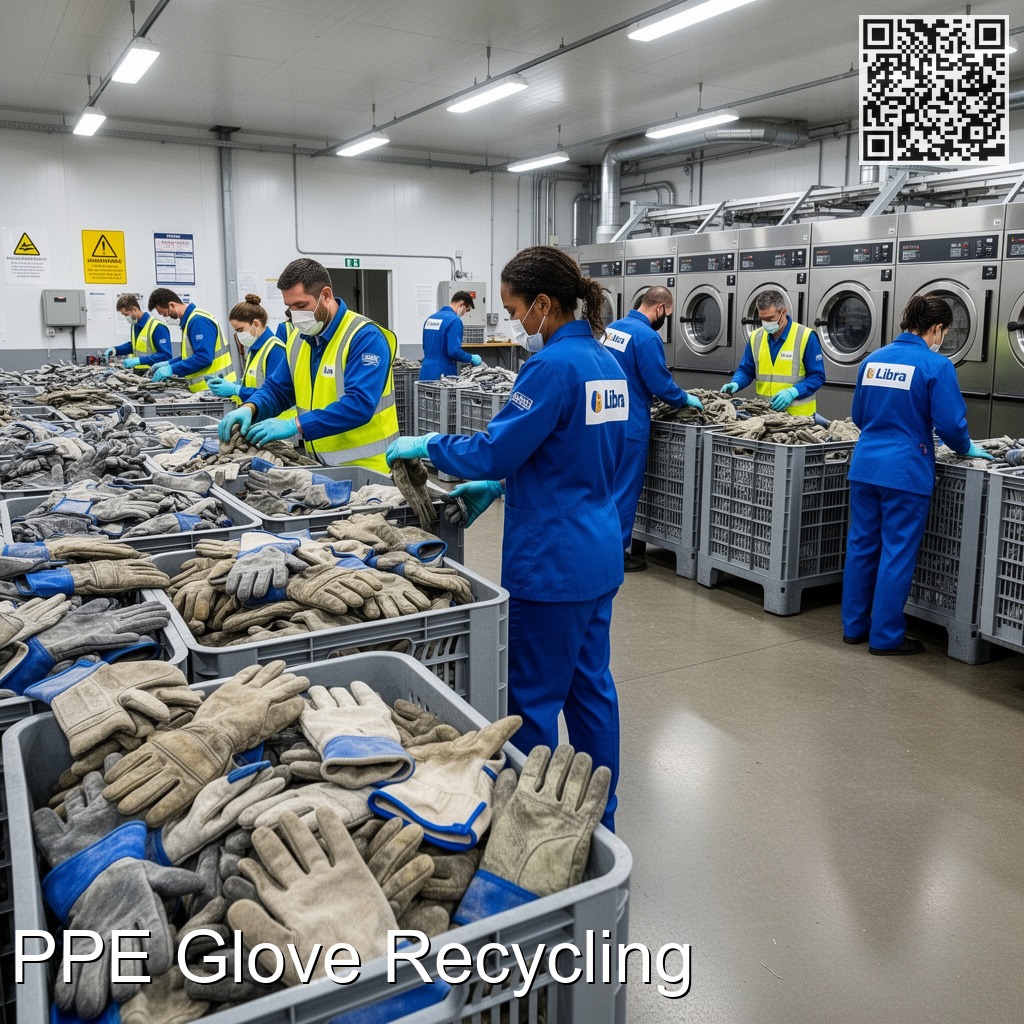
Not every handwear cover is a prospect. In heavy solvent applications, non reusable handwear covers endure swelling and lose integrity. In pharmaceutical cleanrooms, cleaning can present unacceptable bioburden threat. A reasonable circular program starts with segmentation, then pilots the very best chances, not the hardest ones. You do not need excellence to unlock financial savings. You need the ideal 30 to 60 percent of your volume in a reuse or recycling pipeline.
Mapping your current state
Before you alter anything, obtain a clear photo of your PPE standard. Quantity, invest, failing settings, and contamination accounts matter greater than slogans. Aim for a one to 2 month data capture, enough time to smooth uncommon spikes. Draw purchase orders for all PPE gloves by SKU, and match them versus issue logs, indirect inventories, and waste carrying shows up. Stroll the floor and see how gloves are made use of, exchanged, and thrown out. Ten minutes in a high‑velocity workcell will certainly educate you more than a spreadsheet.
During the walk, keep in mind the bag shade, container positioning, and signage. The majority of mis-sorting problems come from range and complication. If the nearby bin is general trash, handwear covers wind up there. If the signs utilizes lingo, individuals default to the most safe choice, which is usually discard, not reuse. Take photos and annotate them. You will need them when you brief managers about changes.
I like to classify glove applications into 3 pails. First, completely dry and nonhazardous, like general setting up or storehouse choices, where glove cleaning can prolong life. Second, wet but nonhazardous, like food product packaging lines with washable cut‑resistant linings, where a launder‑and‑return version can deal with limited microbiological controls. Third, anything with oils, solvents, or organic representatives, where you might miss reuse yet still pursue PPE gloves recycling. By the end of the evaluation you need to understand where reuse is acceptable, where recycling is the appropriate course, and where incineration with energy recuperation might still be required by law or risk.
Designing a handwear cover pecking order that works
The classic hierarchy is decrease, recycle, recycle. For PPE, include another aspect at the beginning: choose. https://zanezvgl841.yousher.com/libra-ppe-recycling-a-complete-overview-to-lasting-ppe-management The incorrect glove choice locks you into waste. The ideal option opens up reuse home windows and much safer recovery.
Material and building and construction matter. A larger nitrile solution resists tearing and can last much longer in low‑hazard atmospheres, however it could reduce mastery and boost price per set. A weaved handwear cover with a nitrile palm can endure loads of laundering cycles if you define the right stitching pattern and seam reinforcement. Coated cut‑resistant handwear covers with stainless fibers can be cleansed repetitively if you control pH, water temperature, and mechanical activity at the washing. On the various other hand, slim, single‑use exam handwear covers are not recycle candidates, however they can be accumulated for polymer recovery if they are without oils and biohazards.
The hierarchy additionally relates to process style. Restriction changes mid‑shift, location glove dispensers where they match task changes, and set a common wear duration for every job. In one electronic devices plant, moving the handwear cover modification terminal fifteen feet better to the ESD floor coverings reduced unneeded swaps by a quarter because technicians no longer got hold of a fresh pair after every short stroll. Little rubbings can drive waste. Map them and fix them.
Cross contamination avoidance at the core
Nothing will torpedo a round economic climate initiative much faster than a contamination incident. Whether you operate under OSHA, FDA, EPA, or worldwide matchings, risk controls require to be engineered into your reuse and reusing flows. Cross‑contamination avoidance starts with classification, not the laundry.
Set clear guidelines of what can get in the reuse stream. Dry particulate and dirt? Usually great, depending upon market. Light oils or harmless coolants? Maybe, if laundering can remove them and screening verifies it. Organic products, PDIs, or specific solvents? Maintain them out. Label containers by group, not simply by color. Compose the target deposits and banned materials in plain language. "Dry, no oils" beats "Classification A." Message one line instances near the bin.

At the managing stage, line leads need to have a straightforward decision tree. If a handwear cover touches a listed compound, it never enters into reuse. Shop those in a secured container for recycling or managed disposal. For returned handwear covers, bag and tag by workcell to preserve traceability. At the laundry or cleaning companion, need batch testing for recurring pollutants, pH nonpartisanship, and fiber integrity. In higher‑risk markets, include swab tests and ATP where pertinent. If a batch fails, it is drawn away and checked out, not silently blended.
Facility design contributes. Keep clean inbound handwear covers away from stained returns. Use one‑way flow to avoid unexpected mixing. If you outsource, check out the companion's site and watch their chain of custodianship. Ask exactly how they set apart streams, what their kill steps are, and exactly how they record recognition. The objective is not excellence on day one, but a documented, auditable procedure that you can enhance quarter by quarter.
Building your ROI model with an ROI calculator
You will certainly require numbers to encourage money and procedures. An ROI calculator for PPE is greater than an advertising gadget. The inputs that matter are specific: device cost, present usage rate, change in useful life with cleansing, cleaning up expense per cycle, expected turn down rate, labor to take care of the program, and savings from minimized disposal. Do not forget soft restraints like storage area and shipping prices to a glove cleansing partner.
Here is an easy means to mount it. Intend you acquire 1.2 million sets of general‑purpose nitrile‑coated gloves per year at a combined price of 1.10 dollars per set. If cleaning up expenses 0.28 bucks per cycle and you can securely reuse half of those gloves again, you successfully reduce new acquisitions by approximately 300,000 to 400,000 pairs, relying on rejects. Add 0.28 to manage cleansing, subtract 1.10 from prevented brand-new buys, and you web 0.82 bucks per glove reused prior to admin. Multiply by the count and deduct program expenses. Despite having conventional deny rates and a couple of cents of additional logistics, the math normally lands in your support for the best handwear cover types.
Recycling changes the numbers in different ways. If your waste hauling prices 85 to 140 bucks per lot and you divert 5 to 10 lots of PPE gloves, that is not a budget gold mine. The bigger bar is preventing contamination fees and sustaining ecological duty dedications. Some recyclers provide worldly credit report or balanced out on future purchases. Version that as a reduction in internet procurement cost. Maintain your varieties honest. Savings usually appear as prevented increases as opposed to noticeable budget cuts in the very first year.
When presenting the situation, deal with security as a called for entrance, not a line thing. Allot independent testing funds in the spending plan. If your ROI depends upon shortcuts here, the program will certainly fall short. Finance teams value plans that price risk into the model.
Choosing companions and programs
No single supplier is best for every single plant. Examine companions on logistics, technological capability, and openness. For glove cleaning, request for their laundering criteria by product classification, their cleaning agent and pH specs, their mechanical action, and how they test post‑wash performance. If they think twice to share, treat it as a signal. You do not need profession keys, however you do need sufficient information to match their process to your gloves.
For recycling, verify completion markets. Can they map where the polymer goes? Are they transforming nitrile into functional goods or simply sending out bales to a third party? If a partner uses take‑back for combined PPE, obtain clarity on what portion is absolutely recycled and what mosts likely to energy recovery. Blended waste programs can assist, but they often lug a green halo that is brighter than the actual diversion rate. That is still fine, as long as you recognize the facts and connect them accurately.
Some business, such as Libra PPE Recycling, focus on purpose‑built flows for PPE gloves recycling and closed‑loop products recuperation. The value of a professional is the procedure self-control. They are more probable to manage segregation subtleties, file chain of custodianship, and give information for audits. When you assess such options, request a trial, not a lengthy contract. Run a three‑month pilot with a few workcells, action diversion, cost, and any kind of issues in gloves returned to service.
The pilot: start little, layout for scale
An excellent pilot chooses one to three handwear cover SKUs and 2 to four divisions with clear tasks. Select areas with engaged managers that will aid enforce cross‑contamination prevention and bin usage. Outfit them with clear signage, short training, and a fast responses loophole. You want troubles to surface area early.
On week one, expect mis-sorting and opportunistic discarding. Facilities team can despair quickly if they find half‑full recycling bags in general garbage or the other way around. Assign an everyday check for the initial 2 weeks. Compensate appropriate habits. Record error situations and repair them in the environment. Maybe a container needs to move more detailed to a modification point, or a sign needs a pictogram.
Set performance limits prior to you begin. For example, undesirable deny price over 15 percent, or more than one safety issue per thousand cleaned up handwear covers returned. Track intake and disposal. After 4 to 6 weeks, you should have enough information to adjust. Expect at least one surprise. In one pilot, we learned that a brand-new glue introduced on a machining line made glove cleansing fall short periodically, not because of the adhesive itself, however since it arrived at the laundry after healing for two days. The fix was to maintain those gloves out of reuse and send them directly to the recycling stream.
Operationalizing handwear cover cleaning
Glove cleansing works when you treat it like any various other process with inputs, improvement, and outputs. Inputs include arranged returns, bagging methods, and labeling. The transformation is the laundering itself. Outcomes are clean, checked handwear covers, plus rejects and waste water.
For inputs, standardize bag dimension and fill level. Overpacked bags weaken cleaning and boost denies. Use long lasting tags or scannable tags to track batch origin. That traceability aids you recognize a troublesome workcell quickly.
At the laundry, define criteria for each handwear cover type. Knit synthetics tolerate various agitation and temperature than coated cut‑resistant handwear covers. Your companion should produce a cleansing spec sheet for each SKU you approve. Sampling strategies issue. A typical strategy is to pull a fixed number of gloves from each set for tensile examinations, abrasion checks, and visual assessment. In higher‑risk environments, include surface area deposit testing. The objective is not to recreate a lab in the laundry, yet to verify that cleaning did not degrade vital performance.

For results, plan cleaned up gloves in such a way that hints depend on. If they look weary, people will certainly discard them on view. A taped package with a clear "cleansed and evaluated on [day] insert card develops self-confidence. Rotate supply to stay clear of lengthy storage space that can impact elastomer performance. Track returns by division. If a cell keeps denying cleansed gloves, go walk the process. Commonly, you will find either a healthy inequality or a job that absolutely calls for a various glove.
Data that matters, and what to ignore
Circular programs can sink in dashboards. Concentrate on measures that drive decisions. Track diversion rate, decline rate, price per wear, and safety and security cases involving PPE. Expense per wear is the signal you want. If your glove cleaning trims that number by 20 to 40 percent with no uptick in occurrences, you are winning. If diversion numbers look wonderful yet rejects are high and employees are disappointed, your cost savings will discolor, and the program will stall.
Auditable traceability likewise matters. Maintain set records for at the very least a year, longer in controlled industries. File your choice rules for cross‑contamination prevention in a brief SOP. Train brand-new hires throughout onboarding, not in a periodic toolbox talk.
What can you ignore? Vanity metrics like "extra pounds of PPE recycled per worker" seldom aid decisions. Utilize them for sustainability coverage, except steering the program week to week.
Training that sticks
Short, certain, repetitive training defeats a lecture. Individuals bear in mind why, where, and how. Why: highlight security first, expense second, sustainability third. This order signals top priorities. Where: point to the exact containers and terminals, not a basic "make use of the blue bin." How: show what belongs and what does not, using actual handwear covers from your line, not common photos. Supervisor support is the genuine engine. If the lead cares, the group cares. If the lead shrugs, the program winds up as a poster.
Language matters also. Stay clear of shaming. Commemorate good catches, like a technology who spotted a contaminated bag and rerouted it. In a center with numerous languages, print multilingual signs that rely on pictures. I have seen a single photo of "appropriate handwear cover dirts" do more than paragraphs of text.
Integrating procurement and inventory
Procurement plays a strategic role when you shift to a round economy version. Systematize handwear cover SKUs where possible. Settling from twelve glove types to 7 streamlines cleansing specs and inventory. Work out with providers for versions designed for reuse, with strengthened joints or finishings that make it through several cycles. Ask for test data throughout washing cycles. You will pay a little bit much more per pair, and you will certainly make it back in extensive wear life.
Inventory settings likewise change. If you have handwear covers returning from cleansing, your security supply can go down after the very first cycle, yet just if your turnaround time is foreseeable. Deal with your laundry or reusing partner on transit timetables. A missed pickup can compel an emergency buy. Build a little buffer right into the model up until the flow stabilizes.
Environmental responsibility without greenwash
Sustainability groups are starving for trustworthy success. PPE programs supply measurable diversion and discharges decreases, but the claims have to be defensible. If handwear cover cleansing lowers acquisitions by 30 percent and draws away a couple of lots of waste yearly, measure it with a straightforward carbon estimate, not speculative multipliers. Usage known exhaust factors for nitrile or textile manufacturing where available. If unpredictability remains, existing ranges.
When explaining PPE gloves recycling, name the procedure and end market: "nitrile gloves diverted to polymer recuperation for molded products" is stronger than "handwear covers stayed out of garbage dumps." If you deal with Libra PPE Recycling or a similar specialist, ask for third‑party confirmation of recycling prices and end usages. Place those numbers in your yearly record with context, not as a standalone triumph.
Edge instances and red lines
Some environments will stand up to reuse for audio reasons. Drug cleanrooms, certain medical applications, and hazmat response commonly keep a stringent single‑use plan. In those cases, concentrate on upstream option and downstream recycling. In food processing, glove cleaning can benefit cut‑resistant liners, while single‑use outer gloves continue to be non reusable. Record these red lines so auditors and staff members see that your program appreciates pertinent standards.
Chemicals call for special care. Nitrile's resistance varies widely by solvent and density. A glove that looks penalty after cleansing might have suffered permeation. If a task includes hostile solvents, miss reuse and prioritize safe recycling. Construct a chem‑glove matrix with your EHS team, and review it if products change.
A practical checklist for introducing your program
- Gather baseline data: acquisition quantities, SKUs, waste prices, incident records, and container mapping photos. Segment glove utilizes into reuse, recycle, and managed disposal based upon danger and material. Select companions for handwear cover cleaning and PPE gloves recycling, and established a three‑month pilot. Build a simple ROI calculator with conventional inputs and security screening baked in. Train managers and teams with details, visual support and place containers where job happens.
Scaling and continuous improvement
After a successful pilot, scale deliberately. Add divisions in waves, not all at once. Each wave should have a target diversion price, turn down threshold, and security performance check. Testimonial information monthly. If the cost per wear approaches, discover the root cause. It could be an adjustment in adhesive, a new task, or sloppier sorting. Repair the process, not the numbers.
Inspect your glove profile every three months. If a glove constantly fails after one cleansing cycle, either update the handwear cover or maintain it in the recycling stream just. If a particular coated glove prospers through several cycles, take into consideration changing even more tasks to that version. Brand-new products show up yearly. A supplier's upgraded finish or thread mix can open more cycles without compromising protection.
Integrate the program into your management rhythm. Add a quick PPE loophole review to safety strolls. Consist of a line on round efficiency in monthly operations reviews, alongside junk and downtime. When you deal with circularity as component of procedures, not a side job, individuals take it seriously.
Where Libra PPE Recycling fits
Specialized partners can streamline the hard components. Libra PPE Recycling, as an example, concentrates on circular economic climate design application for PPE streams, with particular deepness in gloves. Their worth has a tendency to show up in 3 locations: regimented segregation procedures, trustworthy logistics for mass glove returns, and transparent coverage you can use in audits and sustainability disclosures. They can complement an inner glove cleaning program by taking non‑reusable handwear covers right into a verified recycling path, or they can run a turnkey program if your range or staffing require it. Just like any kind of companion, insist on a pilot, clearness on end markets, and information you can verify.
The cultural shift that makes it durable
Programs endure when they align motivations. If supervisors get credit score for both safety and security and cost performance, they will protect the handwear cover loophole. If procurement's success is gauged in complete cost of ownership, not simply system cost, they will certainly sustain higher‑durability handwear covers that survive cleansing. If upkeep sees the bins as part of 5S, they will certainly maintain them in place and clean. Society shows up in details: the ideal bin at the ideal height, a laminated card that is not crinkled and unreadable, a fast thank‑you in the team huddle for keeping pollutants out of the reuse stream.
I keep in mind a plant where the very best signal of success was the lack of dramatization. Cleansed handwear covers got here on Tuesday afternoon, they looked right, and individuals got them without comment. Waste totes were lighter. The regular monthly spend trended down even as result rose. EHS had fewer minor abrasion incidents because employees chose the appropriate glove and kept utilizing it, as opposed to swapping to slim disposables after a spill. That silent normality is what you are aiming for.
Bringing all of it together
A circular economic climate design for PPE does not require moonshots. Beginning with the appropriate handwear cover in the appropriate task. Maintain contaminants out of reuse. Clean with verified procedures. Recycle what you can not recycle. Track the metrics that matter. Utilize an ROI calculator to make your situation and to maintain the program honest. Select companions who share your prejudice for paperwork and quantifiable results, whether that is a neighborhood laundry with commercial capability or a professional like Libra PPE Recycling for downstream recovery.
If you do this well, your PPE program becomes more predictable and less inefficient. You will trim invest without asking individuals to work more challenging. You will lower waste without asking safety to blink. And you will have a legitimate, repeatable way to reveal environmental duty, not as a glossy pledge, yet as a line on the operations scorecard that gains its keep month after month.
Libra Industries Inc
1435 N Blackstone St, Jackson, MI 49202
+15177875675
| Place ID | ChIJt_HMH44vPYgRNbiD22DpHYo |
| CID | 9952367353767639093 |
| Business Profile ID | 6301257705288912858 |
7H9Q+2G Jackson, Michigan
| Coordinates | 42.26760060, -84.41112540 |
 Ask ChatGPT
 Ask Grok
 Ask Perplexity
 Ask Claude
 Ask Google AI
 Ask You